
No-Dig Gardening Basics: How to Begin a No-Dig Garden

Starting a garden can feel overwhelming, especially when you think about all the digging and tilling involved. But what if I told you there’s a gentler, more sustainable way to grow your own food and flowers? No-dig gardening is a fantastic method that lets you nurture your soil and plants without turning the earth upside down. It’s kinder to the environment, easier on your back, and perfect for creating a thriving garden that supports life below and above the surface.
If you’re ready to embrace a more natural, low-maintenance approach, let’s dive into the no-dig gardening basics and explore how you can start your own no-dig garden today.
Understanding No-Dig Gardening Basics
No-dig gardening is all about working with nature, not against it. Instead of digging or tilling the soil, you build your garden beds by layering organic materials on top of the ground. This method preserves the soil structure, encourages beneficial organisms like earthworms and microbes, and reduces weed growth.
Here’s why no-dig gardening is so wonderful:
Soil health improves naturally: The layers of organic matter break down slowly, feeding the soil and plants.
Less labor-intensive: No heavy digging or tilling means less strain on your body.
Weed control: Mulching with organic materials smothers weeds before they can take hold.
Water retention: The mulch layers help keep moisture in the soil, reducing watering needs.
Supports biodiversity: Encourages a healthy ecosystem underground.
You’ll find that no-dig gardening fits perfectly with a sustainable lifestyle. It’s a way to grow food that respects the earth and saves you time and effort.

Preparing Your Space for a No-Dig Garden
Before you start layering, you need to prepare your garden space. The beauty of no-dig gardening is that you don’t have to remove grass or till the soil, but a little prep work helps set you up for success.
Choose your location: Pick a spot that gets plenty of sunlight—most vegetables and flowers need at least 6 hours of sun daily.
Clear the area: Remove any large debris like sticks, rocks, or trash.
Mow or cut down tall grass: If you have grass or weeds, mow them as short as possible. This helps the layers settle better.
Water the soil: Give the ground a good watering a day or two before you start layering. Moist soil encourages decomposition and worm activity.
Once your space is ready, you’re set to build your no-dig garden bed. Remember, this method works well on almost any surface, even compacted soil or old lawns.
How to Start a No Till Garden from Scratch?
Starting a no-till garden from scratch is a rewarding process that lets you create fertile soil without disturbing the natural layers underground. Here’s a simple step-by-step guide to get you going:
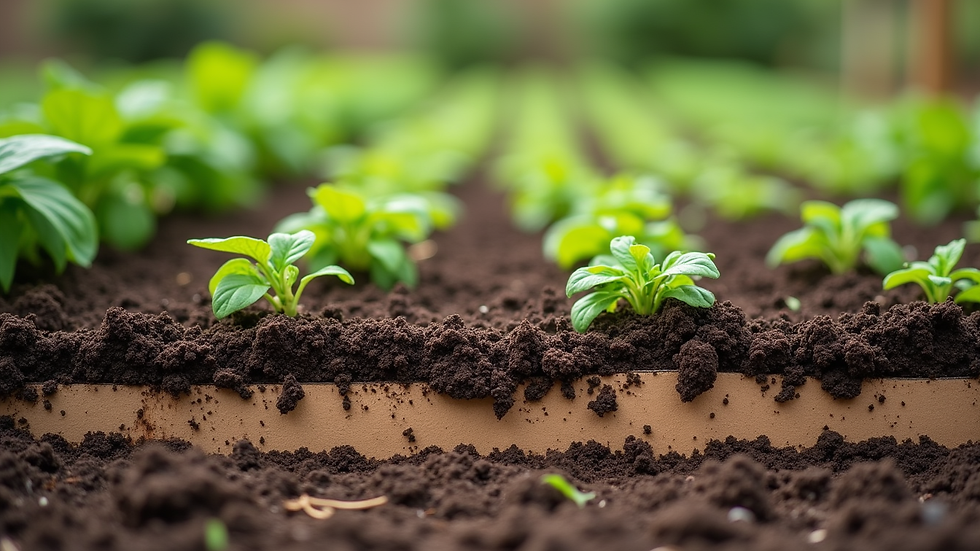
Lay down a base layer: Use cardboard or several layers of newspaper to cover the ground. This blocks weeds and grass from growing up through your bed. Make sure to overlap the edges so no gaps show.
Add a thick layer of organic matter: Spread 3 to 6 inches of compost, well-rotted manure, or leaf mold on top of the cardboard. This will be your nutrient-rich growing medium.
Top with mulch: Add a 2 to 4-inch layer of mulch such as straw, wood chips, or shredded leaves. This keeps moisture in and protects the compost layer.
Plant directly into the bed: You can sow seeds or transplant seedlings right into the compost layer. The mulch can be gently moved aside to plant.
Water gently: Keep your new bed moist but not soggy as the layers settle and start to break down.
Over time, the cardboard and organic layers will decompose, enriching the soil beneath without any digging. You’ll notice earthworms and beneficial insects moving in, helping to aerate and fertilize your garden naturally.
Choosing the Right Materials for Your No-Dig Garden
The success of your no-dig garden depends a lot on the materials you use. Here’s a quick rundown of what works best:
Cardboard or newspaper: These are your weed barriers. Avoid glossy or colored paper with heavy inks.
Compost: This is the heart of your garden bed. Use homemade compost or purchase good-quality organic compost. Reach out to us at ardoracres@gmail.com , we may be able to provide you with homemade horse manure compost.
Mulch: Straw, wood chips, shredded leaves, or grass clippings all work well. Avoid fresh grass clippings that might heat up and damage plants.
Organic amendments: You can add things like seaweed, bone meal, or rock dust to boost nutrients if you want.
Try to source materials locally and organically if possible. This keeps your garden chemical-free and supports your community’s sustainability efforts.
Maintaining Your No-Dig Garden for Long-Term Success
Once your no-dig garden is up and running, maintenance is straightforward but important. Here’s how to keep your garden thriving:
Top up mulch regularly: Add fresh mulch each season to keep the soil covered and moist.
Add compost annually: Refresh the nutrient layer by spreading compost on top each year.
Water wisely: No-dig beds retain moisture well, but during dry spells, water deeply and less often.
Rotate crops: Change what you plant in each bed yearly to prevent pests and diseases.
Watch for pests naturally: Encourage beneficial insects and birds to keep pests in check instead of using chemicals.
With these simple steps, your no-dig garden will become a vibrant, productive space that grows better every year.
Embracing the Joy of No-Dig Gardening
Starting a no-dig garden is more than just a gardening technique - it’s a way to connect with the earth gently and sustainably. You’ll find joy in watching your soil come alive with worms and microbes, and satisfaction in harvesting fresh, healthy food grown with care.
If you’re curious about how to start a no dig garden, this method offers a welcoming path to gardening success without the backbreaking work. It’s perfect for anyone wanting to build a resilient homestead or create a community garden that nurtures both people and the planet.
So grab your compost, gather your mulch, and start layering your way to a flourishing no-dig garden today. Your future self - and the earth - will thank you.


Comments